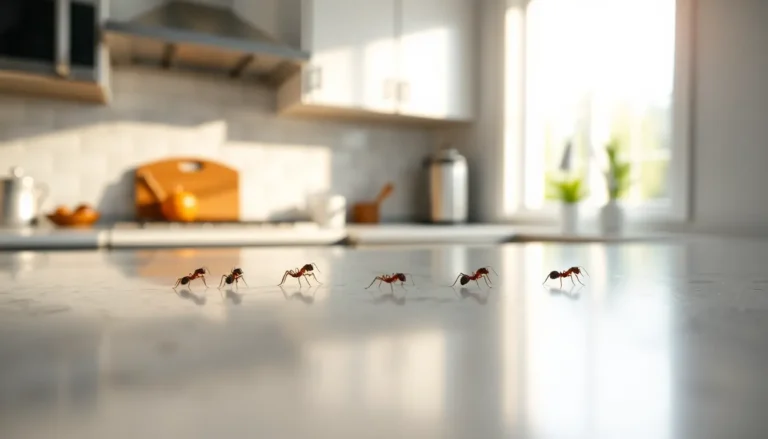

Every home has its quirks, but nothing quite compares to the surprise visit from common household pests. From sneaky ants marching in a perfect line to roaches playing hide-and-seek, these uninvited guests can turn a cozy abode into a chaotic battleground. They don’t pay rent and definitely don’t help with chores, yet they seem to have a knack for making themselves at home.
Common Household Pests
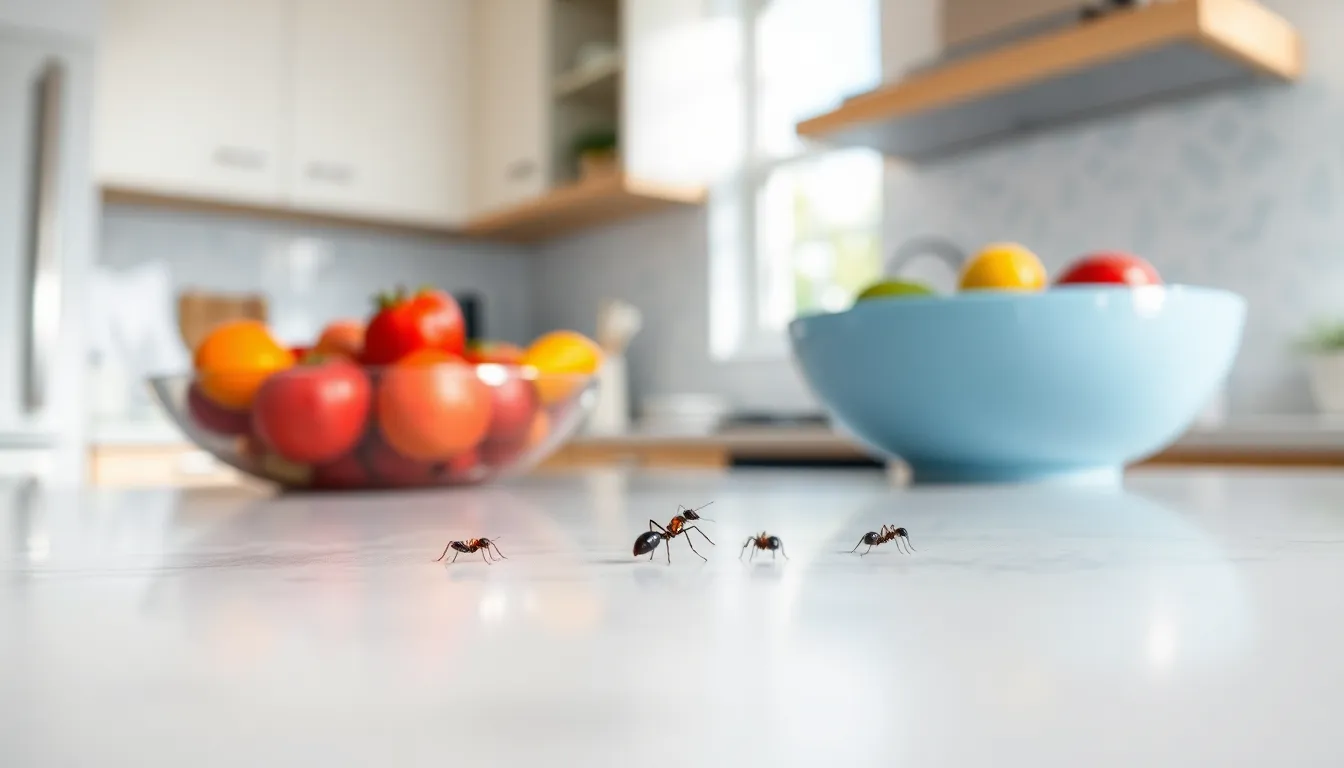
Common household pests include ants, roaches, mice, and termites, each posing unique challenges. Ants invade kitchens, drawn by food residues. Roaches thrive in dark, damp areas, spreading bacteria and allergens. Mice enter through small gaps, causing structural damage and contamination. Termites feast on wood, leading to costly home repairs.
In addition to these pests, spiders and bedbugs often surprise homeowners. Spiders typically remain unnoticed until webs accumulate. Bedbugs hide in bedding, leading to itchy bites and sleepless nights. Fleas also disrupt homes, carried in by pets and causing irritation.
Preventing infestations involves specific measures. Sealing entry points reduces access for pests. Keeping kitchens clean and food stored minimizes attraction. Regular inspections help identify early signs of infestations, allowing for prompt action.
Identify pest-damaged areas quickly. Common signs include droppings, gnaw marks, and discarded wings. Addressing issues early prevents extensive damage and maintains home comfort. Effective pest control solutions keep households safe and healthy.
Understanding these pests helps in developing effective management strategies. Awareness of their behavior enhances response efforts. Homeowners can utilize professional pest control services when necessary, ensuring a pest-free environment.
Types of Common Household Pests
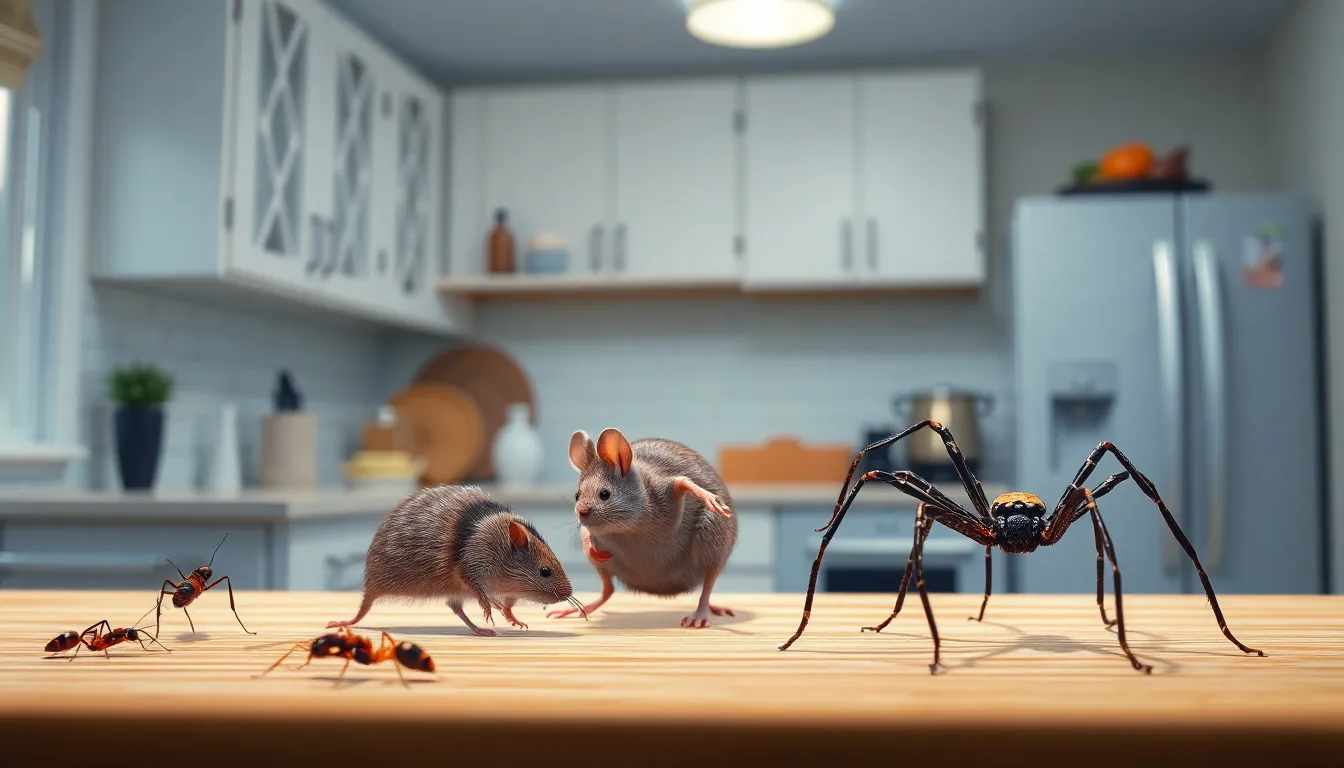
Common household pests often fall into three main categories: insects, rodents, and arachnids. Each type poses specific challenges and requires tailored management strategies.
Insects
Ants commonly invade kitchens, drawn by food sources. Roaches thrive in dark, damp areas, leading to hygiene concerns. Termites can silently consume wood structures, causing significant damage over time. Bedbugs often hide in bedding and furniture, resulting in itchy bites that disrupt sleep. Fleas multiply quickly and can affect both pets and humans, creating discomfort in the home. Common insects frequently require professional extermination to prevent infestations.
Rodents
Mice often enter homes seeking food and shelter. They can cause structural damage by gnawing on wires and insulation. Their droppings may contaminate food sources, increasing health risks. Rats, similar to mice, also find their way indoors, posing greater threats due to their size and aggressiveness. Both types can reproduce rapidly, leading to larger populations if not addressed quickly. Effective rodent control involves sealing entry points and maintaining cleanliness.
Arachnids
Spiders, though beneficial for controlling insect populations, can cause anxiety for many homeowners. Some species, like the black widow and brown recluse, pose health risks with their venomous bites. Common house spiders weave webs in corners or basements, creating an unclean appearance. Ticks, while often associated with outdoor environments, occasionally find their way indoors on pets, potentially transmitting diseases. Effective management involves reducing clutter and sealing cracks to limit spider entry.
Identification of Common Household Pests
Recognizing common pests in a home environment is essential for effective management. By identifying these creatures promptly, homeowners can mitigate damage and maintain comfort.
Signs of Infestation
Identifiable signs of infestation vary among pests. Ant trails often lead to food sources, while droppings suggest rodent activity. Bedbug bites on the skin appear as red welts, indicating presence. Termite damage includes hollowed wood and frass, resembling sawdust. Spider webs signal spider inhabitation, particularly in corners. Fleas leave itchy bites and may lead to noticeable pet scratching. Observing these indicators helps homeowners address issues swiftly.
Common Habitats
Pests thrive in specific habitats within homes. Kitchens attract ants and roaches due to food availability. Damp areas like basements invite termites and rodents seeking moisture. Cluttered spaces serve as hiding places for spiders and bedbugs. Outdoor access points, such as cracks, allow pests to enter easily. Garages and storage areas can harbor mice and other rodents seeking shelter. Keeping environments clean and monitored prevents infestations effectively.
Prevention and Control Methods
Preventing household pests requires diligence and proactive measures. Applying effective strategies ensures a comfortable living environment.
Home Maintenance Tips
Keeping a home well-maintained reduces pest attraction. Regularly sealing cracks in walls and around windows helps prevent entry. Each room benefits from thorough cleaning, especially kitchens where food residues attract pests. Check plumbing for leaks, as moisture invites termites and rodents. Decluttering areas prevents hiding spots for spiders and bedbugs. Inspecting attics and basements assists in monitoring potential infestations. Seasonal yard maintenance also promotes cleanliness, reducing habitats around the home.
DIY Pest Control Solutions
Implementing DIY solutions provides immediate relief from household pests. Using essential oils like peppermint and tea tree oil deters insects when mixed with water and sprayed in infested areas. Setting up traps for rodents and ants captures them effectively. Bait stations for cockroaches offer an efficient way to manage populations. Regularly sprinkling diatomaceous earth around entry points kills insects upon contact. Utilizing natural repellents is safe for pets and children, making it a preferred choice. Monitoring pest activity and adjusting strategies ensures control remains effective.
Professional Pest Control Services
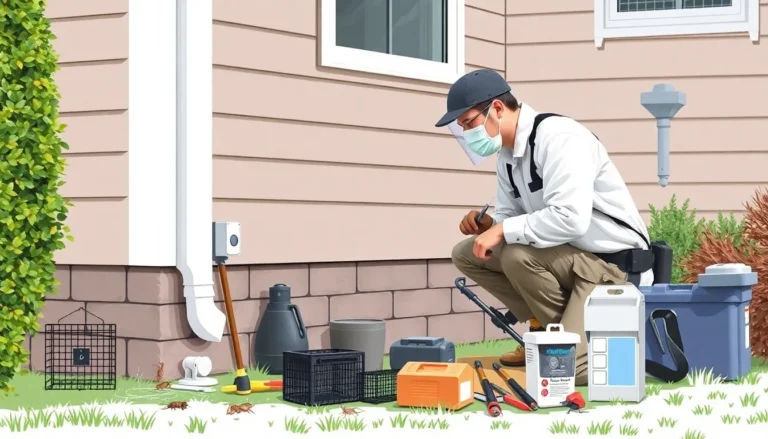
Professional pest control services play a crucial role in managing common household pests effectively. Exterminators possess specialized knowledge to identify pest types and their behaviors, enabling tailored treatment plans. With extensive training, they understand the most effective methods for exterminating pests like ants, roaches, and bedbugs.
Regular inspections conducted by professionals can help detect signs of pest activity. Oftentimes, early identification prevents severe infestations and costly damage. Homeowners benefit from the use of advanced techniques and equipment that are not available for general public use.
Many service providers offer integrated pest management (IPM) strategies. These strategies focus on long-term pest control through a combination of prevention, monitoring, and intervention techniques. An IPM approach emphasizes reducing chemical use while maximizing effectiveness.
Green pest control options are increasingly popular, as they incorporate environmentally friendly solutions. These methods eliminate pests without posing risks to human health or pets. Additional services, such as sealing entry points and advising on sanitation, contribute to a comprehensive pest management plan.
Contracts for regular pest maintenance can provide peace of mind. Scheduled visits by pest control professionals ensure homes remain protected from re-infestation. Homeowners can choose between monthly, quarterly, or annual service plans based on their individual needs.
Investing in professional pest control saves time and reduces stress associated with pest management. While DIY methods may offer short-term relief, long-term solutions often require expert intervention to address underlying issues effectively. Understanding the benefits of professional pest control helps homeowners create a comfortable living environment.
Conclusion
Household pests can disrupt the peace and comfort of any home. Understanding their behaviors and the unique challenges they present is essential for effective management. Homeowners must remain vigilant and proactive to prevent infestations and minimize damage.
Utilizing professional pest control services can provide tailored strategies that address specific pest issues. Regular inspections and maintenance contracts offer peace of mind, ensuring homes remain pest-free. By prioritizing cleanliness and sealing entry points, individuals can significantly reduce the risk of unwanted guests.
Ultimately, a proactive approach to pest management leads to a healthier and more comfortable living environment.