
Bugs in the home can feel like unwelcome guests who never got the memo about RSVP etiquette. From tiny ants marching across the kitchen counter to spiders spinning their elaborate webs in the corners, these critters can turn a cozy haven into a creepy crawling nightmare. But before you grab that can of bug spray, let’s take a closer look at these little invaders and what they really want from your space.
Bugs in Home
Bugs often invade homes, creating discomfort and concern. Identifying common types helps in managing these pests effectively.
Ants
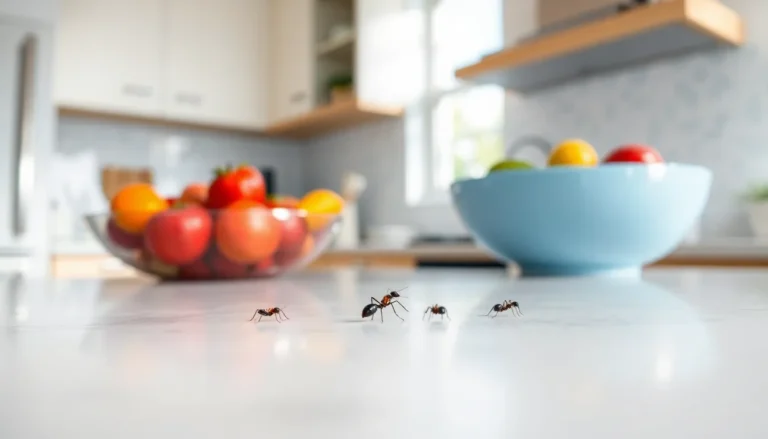
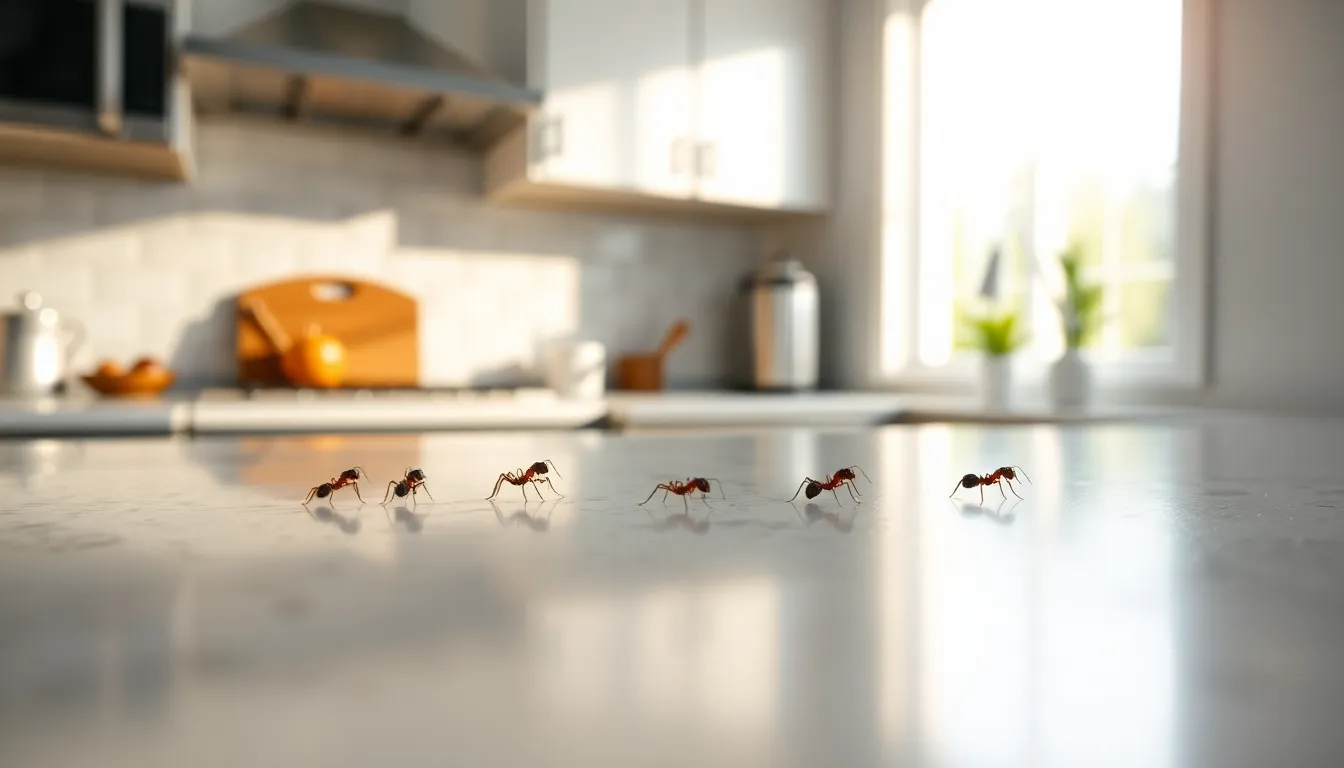
Ants usually enter homes in search of food or shelter. They gather in large numbers, creating visible trail patterns. Common species include carpenter ants, which damage wood, and sugar ants, which seek sweet substances. Their nests can form indoors or outdoors, often in the soil or wood. Eliminating food sources and sealing entry points reduces ant populations.
Cockroaches
Cockroaches thrive in warm, humid environments, making homes ideal. Known for their resilience, they reproduce quickly, with females laying up to 40 eggs at once. Species like the German cockroach often invade kitchens and bathrooms. Maintaining cleanliness and minimizing clutter can help control cockroach infestations. Using traps and insecticides effectively eliminates these pests from living spaces.
Bed Bugs
Bed bugs easily travel from place to place via luggage and clothing. These small, reddish-brown insects feed on human blood, causing itchy bites. Infestations often occur in mattresses and upholstered furniture. Spotting signs of bed bugs can lead to timely interventions. Washing bedding in hot water and using mattress encasements aids in prevention and control.
Spiders
Spiders play a role in the ecosystem by controlling insect populations. Common household spiders include the common house spider and the cellar spider. While most are harmless, some, like the black widow and brown recluse, pose health risks. Regular cleaning and removing webs can deter spider presence. Sealing cracks and crevices further minimizes their entry into homes.
How Bugs Enter Your Home
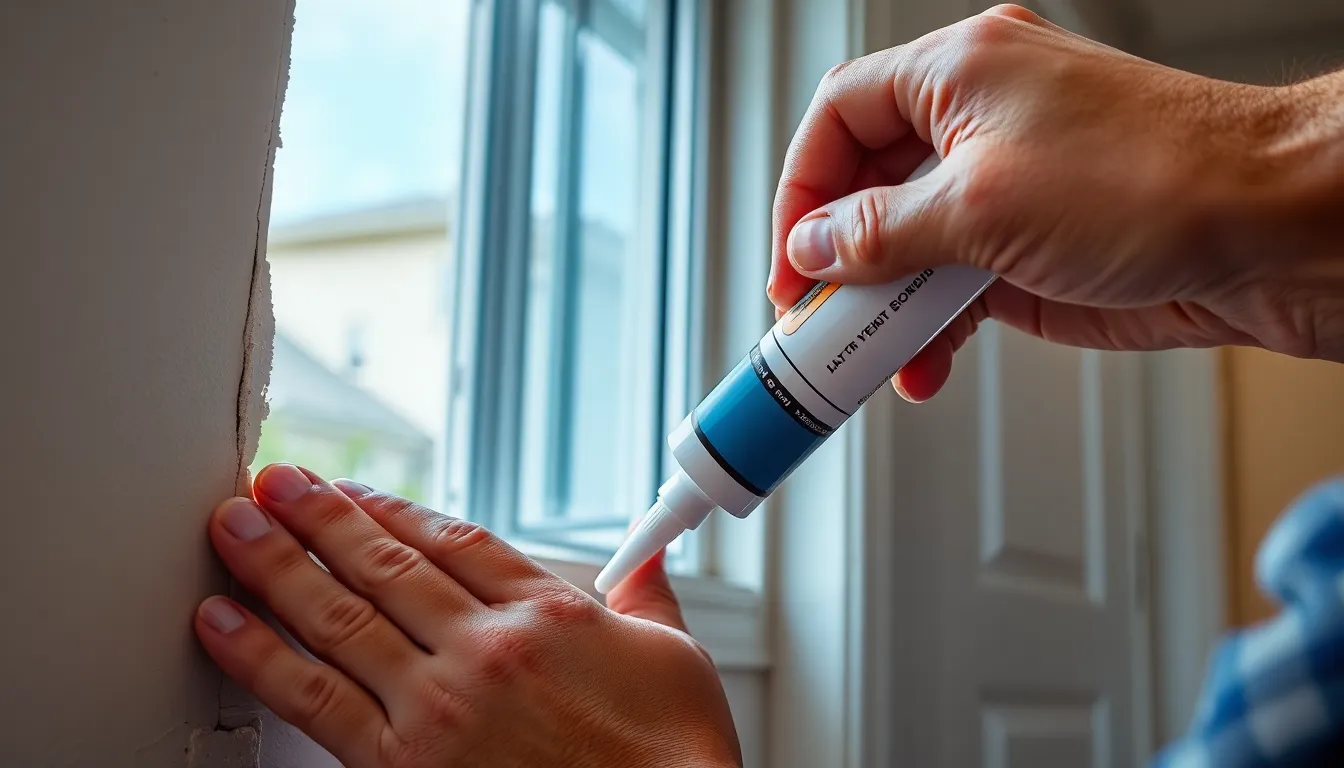
Bugs find numerous ways to infiltrate homes. Understanding these entry points helps homeowners identify vulnerabilities.
Cracks and Gaps
Cracks in walls can provide easy access for small insects. Gaps around windows and foundation can serve as entryways for ants and spiders. Even minor fissures often go unnoticed yet act as gateways for pests. Regularly inspecting and sealing these cracks reduces the likelihood of infestations. Proper maintenance measures, such as caulking and weather stripping, strengthen barriers against bugs.
Openings Around Pipes
Openings around pipes frequently become access points for various pests. These gaps allow bugs to travel from outside to interior spaces. Gaps around plumbing fixtures often go overlooked, but these provide ideal entryways. Installing pipe collars and sealing materials can prevent pests from using these openings. Covering all exposed gaps helps maintain a bug-free environment.
Windows and Doors
Windows and doors often remain unsealed, creating openings for insects. Inadequate seals or damaged screens permit pests to enter. Regular inspections of window screens for tears minimizes risks. Ensuring doors fit tightly also prevents unwanted guests. Using weather stripping and door sweeps contributes to reducing bug access. Thorough maintenance of these areas limits insect infestations.
Signs of Infestation
Identifying signs of infestation early helps in managing pest problems effectively. Observing specific indicators can prevent further issues within the home.
Visible Bugs
Seeing bugs in living spaces indicates an infestation. Common pests, like ants and cockroaches, are frequently visible during the day. Notably, bed bugs tend to hide during the day and become active at night. Cockroaches, on the other hand, might scurry for cover when the lights turn on. Keep an eye out for clusters of spiders in corners or webs that appear around windows. Not only do these sightings signal a potential issue, but they also call for immediate inspection to evaluate the extent of the situation.
Droppings
Droppings provide clear evidence of pest activity. Ant droppings resemble small black specks, while cockroach droppings look like dark, small pellets. The presence of bed bug droppings appears as small, dark stains on bedding or furniture. Noticing droppings can indicate where the infestation is concentrated, guiding targeted treatment efforts. Additionally, droppings usually accumulate near food sources or nesting areas, making them crucial for pinpointing pest locations within the home.
Shed Exoskeletons
Shed exoskeletons highlight the growth of certain pests. Specific insects, such as cockroaches and crickets, shed their exoskeletons as they grow, leaving behind telltale signs of their presence. Finding these cast-off shells usually occurs in dark, hidden areas where bugs tend to hide. Noticing these remnants implies an established infestation, warranting further inspection and action. Regular vigilance in inspecting for shed exoskeletons helps in addressing potential infestations before they escalate.
Prevention Tips for Homeowners
Homeowners can implement several strategies to prevent bugs from infiltrating their living spaces. Taking proactive measures helps maintain comfort and safety.
Regular Cleaning
Regular cleaning plays a vital role in pest prevention. It’s essential to keep food stored in airtight containers to avoid attracting insects. Vacuuming frequently eliminates crumbs and debris, reducing food sources for pests. Wiping down surfaces daily discourages bug activity by removing residues ants or cockroaches might find appealing. Additionally, ensuring the garbage is emptied regularly prevents overflow, which can invite unwanted guests. Maintaining organized spaces reduces clutter where bugs can hide or breed.
Sealing Entry Points
Sealing entry points effectively blocks insects from accessing the home. Cracks and gaps around windows, doors, and foundations provide easy access for pests. Inspecting these areas for vulnerabilities is crucial. Homeowners should apply caulk to seal small gaps and install door sweeps on exterior doors. Additionally, using mesh screens for windows and vents prevents insects from entering while allowing ventilation. Regular inspections of plumbing fixtures help identify and seal openings around pipes, further reducing pest access.
Landscaping Considerations
Landscaping considerations significantly affect pest activity around homes. Keeping shrubs and trees trimmed offers a barrier between the yard and the house, limiting easy access for insects. Avoiding overwatering plants prevents standing water, a breeding ground for mosquitoes and other pests. Maintaining a buffer zone of gravel or mulch between plants and the foundation helps discourage pest proximity. Furthermore, storing firewood away from the house reduces the risk of attracting termites and other wood-dwelling bugs.
Professional Pest Control Options
Professional pest control offers effective solutions for managing bugs in homes. Homeowners often engage these services to address significant infestations or persistent pest problems.
When to Call an Exterminator
Determining the right time to call an exterminator involves recognizing signs of a serious infestation. If visible insects such as ants, cockroaches, or bed bugs frequently appear, it’s time to seek help. Evidence like droppings or shed exoskeletons signals that pests are actively reproducing. Homeowners don’t need to wait until infestations escalate; early intervention ensures effective management. If DIY methods fail to yield results after several attempts, contacting a professional may provide a better outcome. Frequent sightings of pests indicate that they’ve established a presence and require professional assessment.
Types of Treatments Available
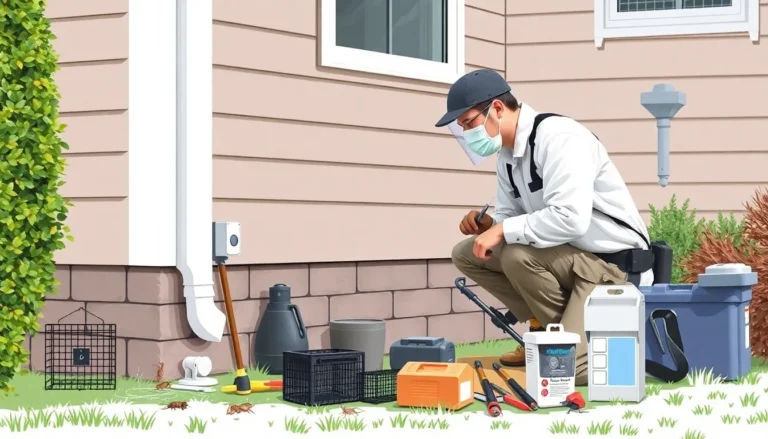
Various types of pest control treatments are available, catering to different pest issues. Chemical treatments often involve sprays or baits targeting specific insects. Homeowners can also explore eco-friendly options that use natural ingredients to repel or eliminate pests. Additionally, traps serve as a physical means of capturing bugs, useful for pests like rodents and cockroaches. Integrated pest management combines multiple strategies, balancing chemical and non-chemical methods for a comprehensive approach. Exclusion techniques focus on preventing pests from entering through sealing cracks and gaps. Each treatment type has its benefits, making it essential to choose the right solution based on the specific pest problem.
Conclusion
Bugs in the home can be more than just a nuisance; they can disrupt daily life and impact overall comfort. By understanding the behaviors and entry points of these pests, homeowners can take proactive measures to prevent infestations. Regular cleaning and maintenance play crucial roles in keeping homes bug-free.
When infestations do occur, early detection is key to effective management. Homeowners should remain vigilant for signs of pests and consider professional help when necessary. By combining preventive strategies with timely action, it’s possible to create a safe and welcoming living environment free from unwanted guests.